Step 1
Start the Conversation
Tell us about your concerns, goals and what you're hoping to achieve.
An intellectual disability is not diagnosed from a test score. It is diagnosed from two things measured together: how someone reasons and learns, and how they manage the ordinary business of daily life, with both showing up during the developmental years.
If this is for an NDIS access request, say so when you enquire. What the agency asks for is specific, and most of it comes from the adaptive half of the assessment rather than the scores.

People expect this assessment to be a long version of an IQ test. It is not. Cognitive testing is one half of it, and on its own it cannot support a diagnosis in either direction.
The other half is adaptive functioning: the conceptual, social and practical skills a person actually uses. Can they manage money, keep themselves safe, follow a conversation in a group, take medication, get somewhere on their own, judge who to trust? Those questions are answered by the people who see it daily, not by a test at a table.
It matters because the level of support someone needs is described by adaptive functioning rather than by a score. Two people with the same number can live completely differently, and the assessment that only reports the number tells you almost nothing about which of them you are looking at.
The third element is timing: the difficulties have to have been present during the developmental years. Where they started later, after an injury or an illness, that is a different assessment and we will tell you so.
One set of tests, three areas of everyday functioning, and the history that places all of it in time.

Standardised testing of reasoning, memory and speed, with a test chosen for the person's age and communication.
Includes
Verbal, visual and fluid reasoning
Working memory and processing speed
Scores reported with confidence ranges
Non-verbal options where language is limited
The thinking side of daily life, which is where school and paperwork tend to bite first.
Includes
Language, reading and writing in real use
Money, time and number in everyday tasks
Planning ahead and following a sequence
Remembering what has to be done
The area families worry about most, and the one that shapes safety in adult life.
Includes
Making and holding on to friendships
Reading a situation and judging who to trust
How easily someone can be talked into things
Following social rules that were never explained
What independence is actually made of, and the part support plans get built around.
Includes
Personal care, cooking and looking after a home
Travel, transport and getting around safely
Managing money, appointments and medication
Work, study and what makes them possible
A diagnosis requires that the difficulties began during childhood, so the history is evidence rather than background.
Includes
Early milestones and health history
School reports, plans and past assessments
What support has been in place, and when
Accounts from people who know the person well
Worth stating plainly, because a great deal gets read into this assessment that it has no business settling.
Includes
Whether someone gets funding, which is the agency's call
What a person is capable of learning from here
Where they should live, work or study
Their legal capacity to make their own decisions

Speech, play, motor skills and the routines that make kinder and childcare easier.

Communication, learning, sensory processing and the practical skills school asks for.

Counselling, emotional support, and the transitions that come thick and fast.

Life skills, confidence, and preparing for work, study or moving out.

Assessment, therapy, counselling and disability support, built around goals you set.
Home care, therapy and practical help, so staying put stays realistic.
Half of this assessment happens at a table and half of it happens in conversation with the people who know the person best. Both halves have limits worth knowing about first.

Direct testing one-to-one, plus structured interviews and questionnaires with the people who see daily life up close.
Testing paced to the person, across two shorter appointments where that works better than one long one.
Adaptive information from more than one source, usually a parent, partner, support worker or teacher, because no single person sees every setting.
Tests chosen for how someone communicates, including largely non-verbal options where spoken language is limited.
Interpreters, familiar supports and breaks arranged as needed. Tell us beforehand and we will build the session around it.

The honest limits, which we would rather set out here than have you discover them after paying.
A low score on its own is not a diagnosis, and neither is a score above a cut-off a reason to dismiss real difficulty.
The difficulties must have begun in childhood. Where capacity changed later, after a stroke, injury or illness, a cognitive assessment is the right one.
Language, culture, interrupted schooling, hearing and vision all affect testing, and we interpret with those in view rather than around them.
Results near the borderline get said out loud. We will tell you when a profile sits close to the line and what that does and does not mean.
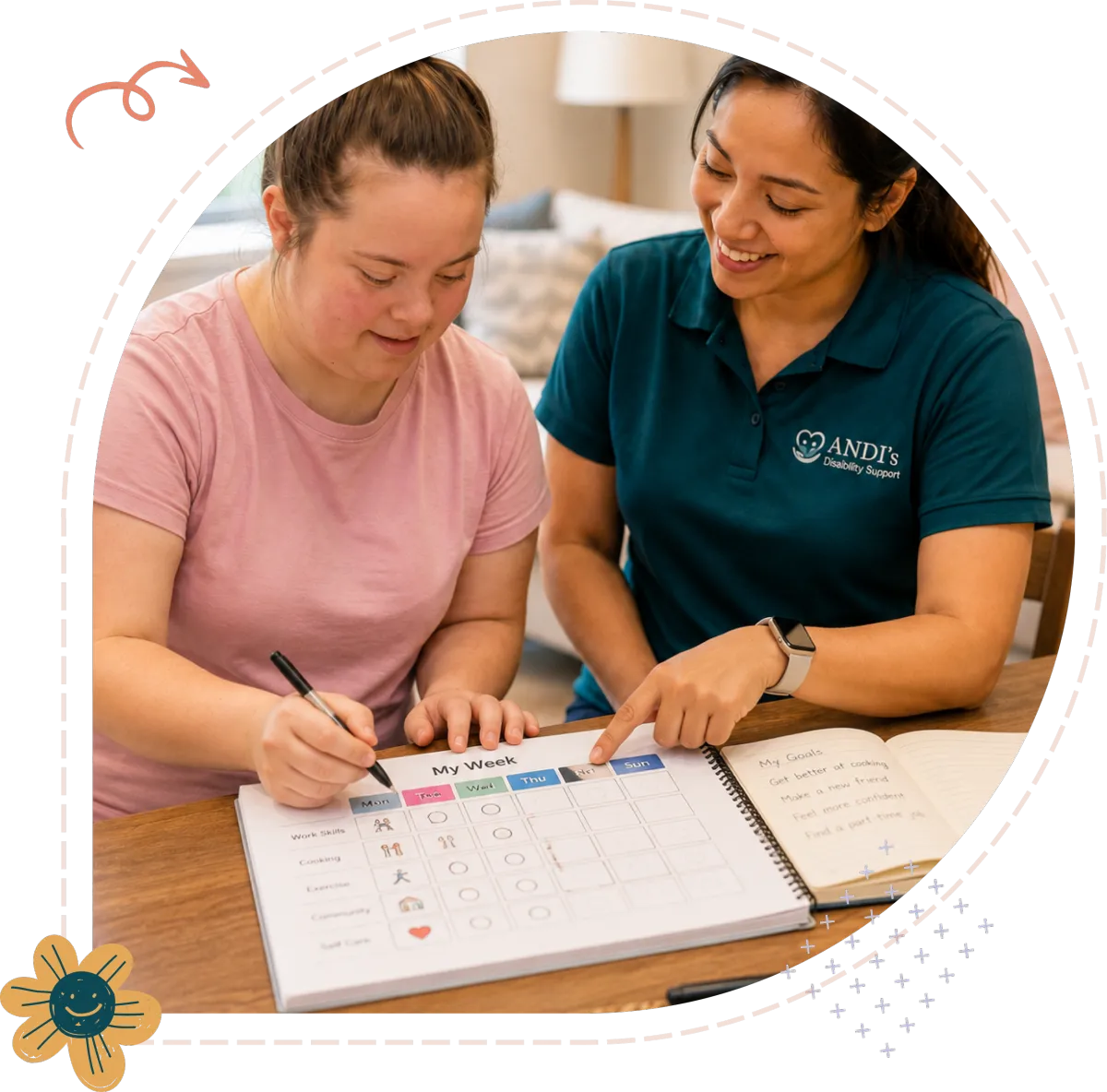
Tell us about your concerns, goals and what you're hoping to achieve.
We take the time to understand your situation and recommend the services that best support your individual.
Together, we develop a coordinated plan tailored to your strengths, goals and circumstances.
As your needs evolve, your support evolves too. Our team continues working alongside you to promote meaningful progress and long-term success.
This is a longer assessment than an IQ test, because of the adaptive half and the interviews that go with it, and it usually costs more. We quote the whole thing in writing, including the report, before you commit.
The awkward part is that people most often need this assessment in order to apply for funding, and funding is rarely available to pay for it. We would rather say that at the enquiry than let you find out at the invoice.
The usual pathway where the assessment is needed to apply for something. No referral and no eligibility decision, with the cost quoted before we start.
A plan generally will not fund assessment carried out to establish access. Where a plan is already in place and a goal calls for it, it sometimes can.
Rebates for assessment of this kind are limited. Where testing forms part of an eligible assessment, a GP referral and care plan may apply.
Depends on your level of cover and your remaining limit. Your fund can confirm the rebate before you book.
Intellectual disability sits next to several other explanations, and they are regularly mistaken for one another. If your question is really one of these, it is better to find that out now.
Communication, social interaction, sensory experience and developmental history, gathered across settings.
For difficulty that sits in reading, writing or maths specifically, while everything else tracks along normally.

Cognitive ability on its own, where a process asks specifically for a standardised ability measure and nothing more.
Our team is happy to talk it through before you book anything.
It gives the agency what it asks for. It cannot decide the outcome, and anyone who tells you otherwise is selling something. Access turns on evidence that the disability is permanent and that it substantially reduces functional capacity in everyday areas such as communication, learning, mobility, self-care and self-management.
That functional evidence is exactly what the adaptive half of this assessment produces, which is why we will not do the cognitive testing on its own when an access request is the reason for coming. Tell us at intake that it is for the NDIS and the report will be written for that reader.
Generally not, and that is a limitation of the testing rather than of your child. Ability measured before about five is not stable enough to carry a diagnosis, so where a young child is significantly behind across several areas the picture is usually described as global developmental delay and reviewed later.
That description is enough to open most support pathways, so it is rarely worth waiting for a firmer label before starting. What helps at three is intervention, not a name.
We choose the instrument to suit the person, including tests that rely very little on spoken language, and we adjust the pacing, the breaks and the setting. Where formal testing genuinely is not possible, we say so in the report and rely more heavily on structured adaptive assessment and observation, which is accepted practice.
Tell us beforehand how your child communicates, what a hard day looks like and what helps. It changes how we plan the sessions, and it usually makes the result more accurate rather than less.
An intellectual disability is lifelong, but that is not the same as fixed. Adaptive skills improve with teaching, practice and the right support, sometimes a great deal, and the level of support someone needs is described by how they are functioning now rather than by the score.
Diagnoses from early childhood do sometimes change, which is one reason assessments get repeated at transitions. If an old report no longer matches the person in front of you, send it to us and we will tell you whether it needs updating.
No. A specific learning disorder affects a particular area, most often reading, writing or maths, while general ability and everyday skills sit in the typical range. An intellectual disability affects reasoning and daily functioning across the board, and it is assessed differently.
The words get used interchangeably in conversation and in some school paperwork, which causes real confusion. If you are not sure which one describes what you are seeing, describe the day to us instead and we will work out which assessment answers it.
Whether you're seeking support for yourself, your child or a loved one, we're here to listen, understand and help you move forward with confidence.
From assessment and therapy to counselling, disability support and home care, our team is committed to providing personalised care that empowers individuals and strengthens families.
We care deeply about the people we support, and it shows in how we work.

Qualified clinicians who supervise each other and keep learning.

Support that stays with you as your needs change, not just at the start.



We honour the diverse communities such as the LGBTQ of which we are a part and we celebrate the extraordinary diversity of people that each represent.

We acknowledge the traditional owners of the lands. We pay respect to Elders, past and present and acknowledge the ongoing connection that Aboriginal people have to this land and recognise Aboriginal people as the original custodians of this land.
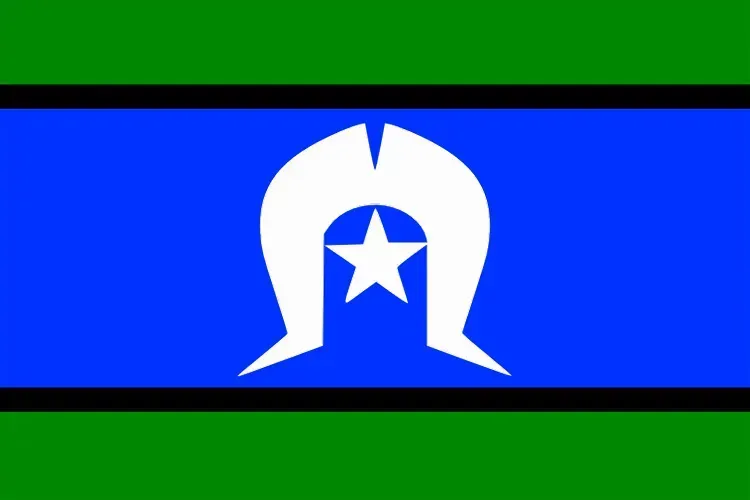
Aboriginal peoples of the Kulin Nations are the Traditional Custodians of the lands now named City of Greater Dandenong. Those who live, work and contribute to the municipality walk in the footsteps of the Bunurong/Boon Wurrung and Wurundjeri Woi-wurrung Peoples, and are enriched by Australia’s First Peoples experiences, cultures, histories and knowledge.
© 2026 ANDI Support. All rights reserved.